


Brent crossed $100 after ten Iranian tankers were hit in a week. European gas broke a 3-year high with storage 13 points light. Treasury announced a $6B buyback and yields rose anyway. Amazon raised sterling bonds. The ECB set to hike into an energy shock.
Stocks Fell for a Third Straight Session. Yields Hit Fresh Highs.
The Dow, S&P 500, Nasdaq, and Russell 2000 all closed lower. The 10-year Treasury yield hit its highest level since 2023. VIX rose. WTI closed above $96. Gold edged up. Bitcoin ticked higher.
Apple (AAPL) unveiled its foldable iPhone at the first major product launch under new CEO John Ternus. Bank of America expects iPhone Pro price hikes of $150 to $200 due to memory costs. The stock inched lower. Lyft (LYFT) fell after naming a new CFO. Jersey Mike's (JMKE) surged after its first earnings report as a public company.
Investor Signal
Treasury announced a $6 billion buyback and yields rose anyway. All signs point to the ECB hiking into an energy shock Thursday. The Fed decides in six days. The BOJ decides the day after. Every institution is moving in the same week, and none of them controls the barrel that is setting the inflation number they are responding to.
In January, Gold Touched Nearly $5,600 an Ounce. Today It's Around $4,100.
So the story's over, right?
Then explain this.
The metal is still leaving the vaults. Physical deliveries still running at levels the exchange rarely processed before. Central banks still buying. Dealers charging 30-40% premiums over paper price for real coins.
When price falls but physical demand doesn't — only one of those two is telling the truth.
The paper market sets the price. The physical market sets the deadline.
Anyone who wished they'd bought miners before January's run just got handed the entry back.
One company I've been tracking controls an 88 million ounce deposit — trading near $4 billion. About 1% of the value of its metal in the ground.
That gap is the whole opportunity.
Ten Iranian Tankers Destroyed in a Week. Brent Stayed Above $100.
U.S. forces destroyed five more Iranian crude tankers after the IRGC fired ballistic missiles at American warships twice in two days. Centcom named them by vessel. Centcom says ten Iranian tankers were destroyed in one week. Brent crossed $100 for the first time since July.
Goldman Sachs raised the probability of Brent hitting $120. The bank's base case still assumes gradual recovery through alternative routes. But destroying tankers advances the economic squeeze against Iran while raising the price of oil at the same time. Washington is running two policies that work against each other.
Iran's foreign minister dismissed the sanctions track. The IRGC claimed it struck American vessels and crossing tankers. Centcom refuted it.
Two Policies, One Contradiction
- Ten tankers destroyed in a week produces the economic pressure the campaign requires
- The same strikes push Brent above $100
- Centcom publicly refuted three Iranian claims in three days; the credibility gap is its own premium
Oil traders increasingly assume a long war. Most early forecasts called for resolution in weeks. The market has spent months repricing that assumption. Goldman's $120 scenario names what happens if it keeps mispricing.
Goldman's Math
Goldman's base case assumes exports recover through alternative routes. The tanker destruction this week moved probability toward the path where they do not.
Europe Bet on a Ceasefire. European Gas Broke a Three-Year High.
Dutch gas futures rose to their highest level since early 2023, crossing €80 per megawatt hour before settling near €79. UK contracts hit their highest level since late 2022. Prices have more than doubled since the war began and are up sharply since June.
The trigger was a drone strike in Russia's Yamal region. Damage was unclear. But Yamal LNG supplies roughly 5 percent of Europe's gas needs. Adding Yamal uncertainty to Hormuz uncertainty changed the calculus for buyers who had already deferred purchases expecting cheaper Qatari cargoes.
EU storage sits at 67 percent full, 13 percentage points below last year. Germany is near 50 percent, among the lowest in Europe.
Winter Is Not a Negotiating Deadline
Germany was the most burned by the 2022 gas crisis. It avoided stockpiling this summer to avoid repeating a trading loss. That rational choice now looks like a collective problem. Wood Mackenzie's optimistic April storage case assumes Qatari flows resume by November. Neither that nor the Yamal situation is resolved.
Hidden in Tesla's Filing: A $12 Billion "Super Startup"
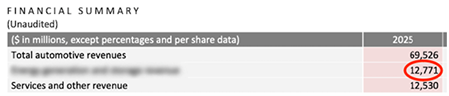
Pull up Tesla's most recent SEC filing. Page 5.
And you'll see a single line showing $12 billion in revenue from a brand-new "super startup" Elon Musk has been quietly incubating inside Tesla.
This new "super startup" has nothing to do with cars or robots or space or AI…
But it sits at the center of what Blackstone calls "a $23 trillion investment opportunity."
And on Oct 21st, Elon is expected to pull back the curtain and reveal exactly what he's building.
But Adam O'Dell already knows… and he reveals it all in this urgent video.
Treasury Printed $6 Billion. Yields Rose Anyway.
The Treasury Department announced a maximum $6 billion buyback of 10-year to 20-year notes, with the operation itself Thursday. Wrightson ICAP had called $5 to $6 billion the likely starting point and described $6 billion as "fairly aggressive." Treasury came in at the top of that range.
The 10-year yield climbed toward 4.85 percent after the announcement, its highest level since 2023. The buyback is meant to hold down long yields. Yields rising after the announcement is the market saying $6 billion is not enough.
BMO's Ian Lyngen calls 5.3 percent on the 30-year the line in the sand Bessent is defending.
Yields Moving Against the Program
- $6 billion maximum announced, yields climbed after
- The 10-year approaching 4.85 percent narrows room before BMO's 5.3 percent test
Treasury took the aggressive end of what analysts expected and the 10-year rose anyway. That is the market saying the size is not the variable it cares about.
When Yields Move Against the Buyer
Bessent told traders "I am the house now." The house is paying $6 billion to keep the 10-year below a level it crossed anyway. Lyngen's concern is not the yield. It is what announcing yourself as a buyer of last resort does to the asset's perceived independence. That repricing does not reverse when the operation ends.
Hyperscalers Have Issued Over $200 Billion and Are Going Currency by Currency.
Amazon (AMZN) raised £4.25 billion in its first sterling bond sale, drawing more than three times that in demand. Sterling is the latest currency Amazon has tapped after euros, Swiss francs, and Canadian dollars. Alphabet (GOOGL) reached sterling first in February with £5.5 billion, including a rare 100-year bond.
Hyperscalers have issued more than $200 billion of debt this year, more than double all of 2025. Amazon's last dollar deal in July drew weaker demand than in the past. Going to sterling is what happens when the home market gets full.
Running Out of Home Markets
Going currency by currency is not a preference. It is a constraint. Amazon going to a market where it has never borrowed means U.S. dollar demand has limits that a $200 billion issuance year is beginning to test.
AI CEO Issues Code Red: Prepare for Meltdown
The CEO of this AI company (click here to get the name, 100% free) just issued a CODE RED in an internal memo…
Warning his employees that they’re dealing with a critical situation.
Another company executive even implied they might need a government bailout.
And now Jim Rickards is predicting this company is about to go bust, in a full-blown AI meltdown that could be 10 times bigger than Lehman Brothers.
ECB Likely to Hike Into an Energy Shock. Its Own Clients Cannot Agree on Where It Ends.
ECB futures price a near-certain quarter-point hike Thursday, to 2.5 percent. Eurozone core inflation ran at 2.4 percent year over year in August, which ING argues does not support a hawkish turn. The decision itself is not the question. The guidance is, and it lands the day after European gas hit a three-year high.
ING argued Lagarde will keep options open, calling more hikes the shift from insurance to restrictive. Deutsche Bank expects another hike in December. A client survey found 42 percent expected a more dovish tone.
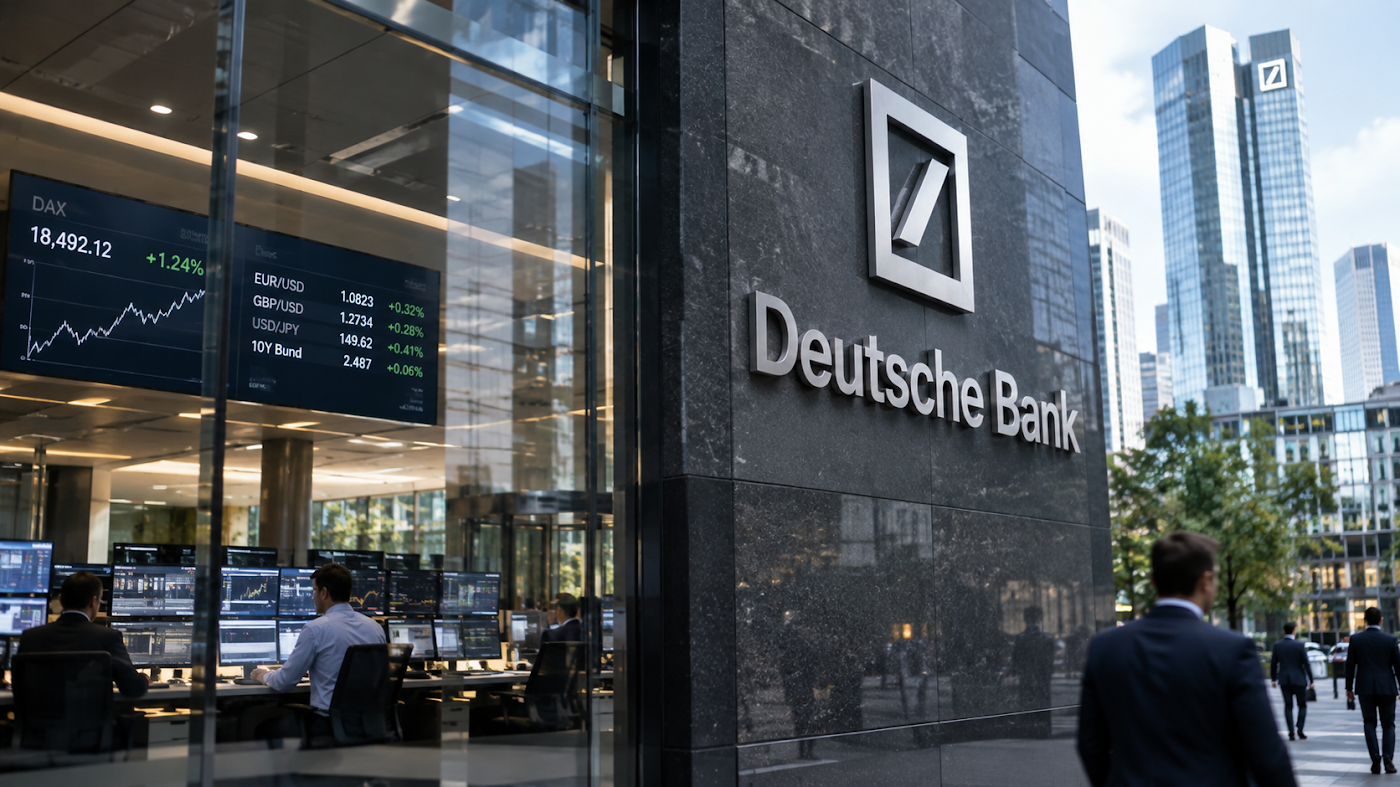
Deutsche Bank's clients split three ways on the terminal rate and disagreed on when easing starts.
Rate Paths Diverge at the Same Meeting
- 42 percent of Deutsche Bank clients expected a more dovish tone than markets priced
- Clients ranged from Q2 2027 to 2028 on when easing begins
- All three central bank decisions contain an assumption about a shipping lane
None of these institutions controls the strait. All of their forecasts run through it.
What Three Central Banks Share
ECB Thursday. Fed September 16. BOJ September 18. All three move within eight days. Each has a Hormuz assumption embedded in their forecast. None of them controls the strait.
Wednesday delivered the clearest illustration yet of the constraint the Fed, ECB, and BOJ are all fighting.
Ten Iranian tankers were destroyed in a week and Brent crossed $100. European gas broke a three-year high on a strike against Russian LNG, with EU storage 13 points light and Germany at half full. The ECB decides Thursday. The Fed votes six days after that. The BOJ follows two days later.
Every institution moving this week is responding to an inflation reading set in a shipping lane, not a boardroom. The $6 billion buyback did not hold the 10-year. Amazon had to borrow in sterling because the dollar market filled. And both supply sources for European gas, Qatar through Hormuz and Yamal to a drone strike, are now under threat at the same time.
FREE MARKET ALERTS
Know What’s Moving the Market Before You Miss the Move
Get market-moving news, analyst trade ideas, and key catalysts delivered directly to your phone so you can spot opportunities faster.
