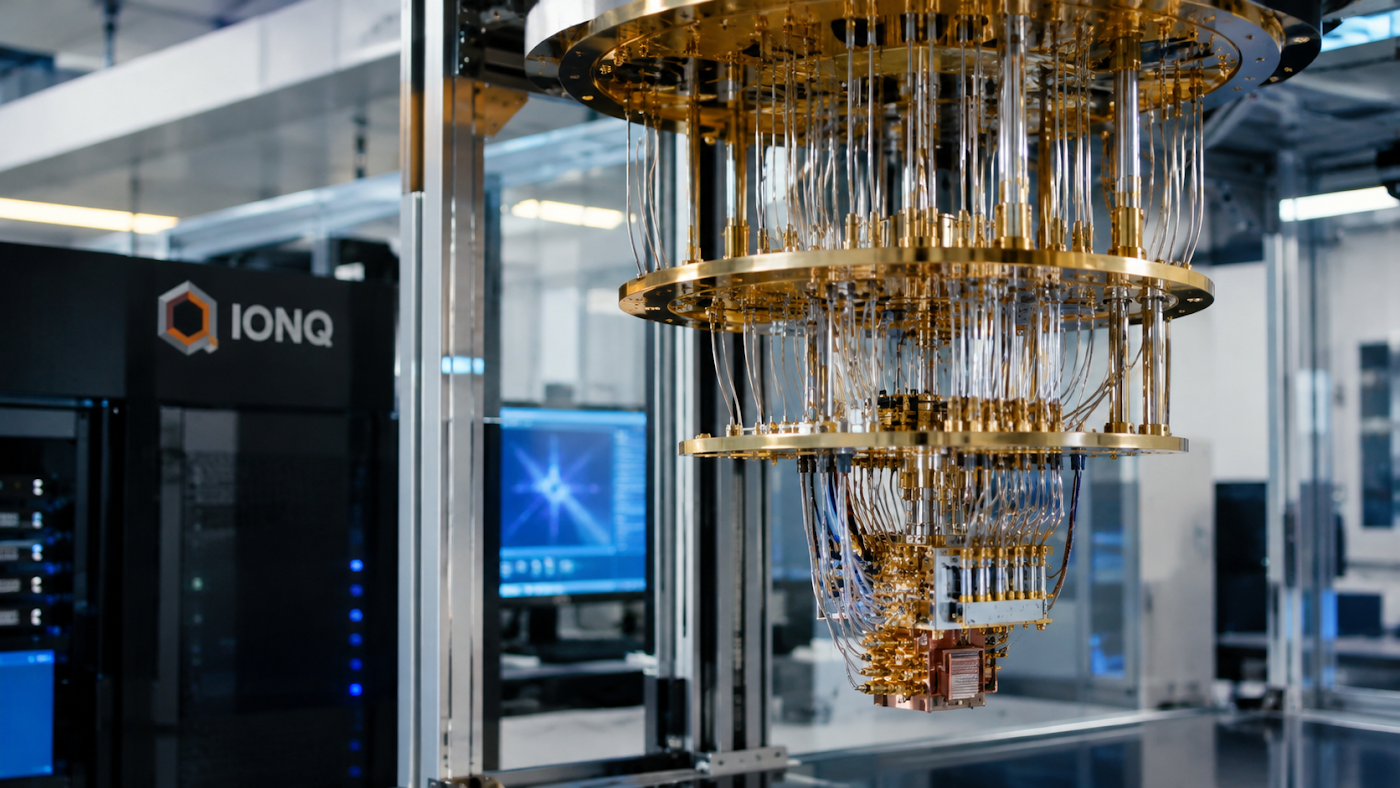
MARKET PULSE Tech and Small Caps Fell. The Dow Ended Nearly Flat. The S&P 500 fell about 1.1% and the Nasdaq Composite about 1.9%. September core consumer prices rose 0.3%, a tenth faster than forecast. The Dow ended nearly flat, down about 0.1%, as health care and consumer staples shares rose. The Russell 2000 of smaller companies fell about 2%. It closed about 11% below its Aug. 14 record close, past the 10% line that usually defines a correction. The two-year Treasury yield rose about a tenth of a point after the report, while the 10-year ended slightly lower. The dollar index touched its highest level since April 2025. Investor Signal Decliners outnumbered advancers by more than 4 to 1 on the NYSE around midday. Thursday brings September producer prices, retail sales and Taiwan Semiconductor's results. Firm producer prices alongside soft retail sales would suggest companies are struggling to pass costs on. PREMIER FEATURE There's a website called RentAHuman.ai. Its tagline: "Robots need your body." 721,000 people across 100 countries have signed up. And according to Alexander Green - the man who bought Apple under $1, Netflix at $1.62, Amazon under $2* - this is the clearest signal yet that Phase 2 of the AI supercycle has arrived. (Split adjusted prices) He's identified three companies set to dominate this next phase. CLICK HERE TO WATCH THE FULL STORY FOR FREE AI DEBT Lenders Want About 15% From CoreWeave. Its Stock Fell as Much as 17%. CoreWeave (CRWV) fell as much as 17% and was down about 16% late in the session, on course for its lowest close since late July. Its 9.625% notes due 2032 traded near a 15% yield. Bloomberg reported they fell below 80 cents on the dollar, a level often read as distress. CoreWeave's net interest expense more than doubled to $640 million in the second quarter. The selling sorted by balance sheet. Oracle (ORCL) and Nebius (NBIS) were down about 9% and 11% in afternoon trading. Nvidia (NVDA), which supplies chips to all three, was down more than 3%. Chief Executive Mike Intrator told staff the market was acting "irrationally" and that the order backlog more than covers its debt, Bloomberg reported. Investor Signal The backlog and the bonds tell different stories. A $104 billion order book says customers want the capacity. A yield near 15% says lenders doubt CoreWeave can carry its debt at today's rates, and Wednesday's report pushed short-term Treasury yields higher. AI's builders were already finding capital harder to raise before Wednesday. The price of CoreWeave's next borrowing will show which view holds. NEW MONEY IonQ Sold Stock Above the Market, Then Fell About 9%. The Buyer Also Got 100 Million Warrants. IonQ (IONQ) priced $2 billion of shares and pre-funded warrants at $40, about 15% above Tuesday's close, before Wednesday's open. The single buyer, an entity managed by Heights Capital Management, also received seven-year warrants on 100 million more shares at $69.46. The stock was down about 9% by early afternoon, more than 20% below the price Heights paid. SentinelOne (S) used a different structure. It priced $1.25 billion of convertible notes that pay no interest and convert at about $31.21 a share. Its stock fell 6.4% on Tuesday, the day the deal was proposed. Investor Signal Neither company took on debt priced anywhere near the roughly 15% yield on CoreWeave's bonds. IonQ paid in shares now plus warrants on more later. SentinelOne's notes convert into shares later. Further raises built this way would show how widely the higher cost of debt is spreading. FROM OUR PARTNERS For years I ignored gold. Until I found this income play. My #1 rule has always been: if it doesn't pay income, it's not worth owning. That's why for years I ignored gold. But I just found a $15 fund that pays income investors every single Friday. It could deliver $1,127 in a single month. See here how Friday Golden Payments work. THE FED October Hike Odds Topped 50%, Then Eased. The Fed's Own Survey Gave Both Sides Evidence. Before the 8:30 a.m. report, futures implied about a 22% chance of an Oct. 28 increase, according to CME FedWatch. The odds briefly topped 50% after the report, according to CME FedWatch, before easing. Kalshi's October hike contract followed the same path. It traded at 18 cents before the report, touched 55 cents at 9:06 a.m. and was at 35 cents in early afternoon. Citi now expects a December increase, after forecasting none. Michelle Bowman, the Fed's vice chair for supervision, said in Bangkok hours before the report that she felt no urgency to act. The Fed's Beige Book, gathered through Oct. 5, found prices rising at a moderate or robust pace in 11 of 12 districts. Only two reported moderate growth in activity. Higher oil prices came up in every district's report. Investor Signal The debate is now about timing more than direction, since futures already priced a December increase. Broad price pressure argues for moving sooner, and thin growth argues for waiting. Each swing in those odds moves the Treasury yields that AI borrowers' debt is priced against. Producer prices and retail sales on Thursday are the next test. MONEY MANAGERS BlackRock's Chief Says Capital Is Short. Morgan Stanley Fell Despite a Beat. BlackRock (BLK) earned an adjusted $15.93 a share and took in $205 billion of net new money. Chief Executive Larry Fink said on the call, "I'm seeing genuine shortages of capital." He tied that to record deficits and the cost of building AI, and said rates will stay "structurally higher" for longer. Morgan Stanley (MS) beat the LSEG profit consensus on record wealth revenue and strong equities trading. It still traded about 4% lower in the afternoon. Just over half of its $232 billion of net new assets was tied to IPOs. State Street (STT) reported a record $59.2 trillion in assets under custody and administration, but revenue slipped from the second quarter. Its shares fell as much as 10%. Investor Signal Fink's point describes CoreWeave's problem from the lender's side. When capital is scarce, borrowers without strong cash flow pay the most for it. Morgan Stanley's IPO-linked inflows show the other side of the same dependence on open markets. PARTNER SPOTLIGHT He predicted the 2008 financial crisis…He predicted Trump’s election in 2016…. He even predicted the rise of COVID-19 writing: “The chance we don’t have something on the scale of a national pandemic in the next few years is near zero” That was three months before the first reported case. If he’s right again, God Bless America… Because this crisis will be tectonic in scale…and it's going to begin with the bubble popping in AI. Click here to view his latest warning THE GULF A Container Ship Sank Near Hormuz. Polymarket's Blockade Contract Did Not Move. Singapore's maritime authority said the GFS Pride sank after being struck by an unidentified projectile, which caused damage and a fire. Iran's Revolutionary Guards said the ship hit a mine on an unauthorized route. People with direct knowledge told Reuters that Aramco's Dhahran headquarters suffered extensive damage in Tuesday's strike. Saudi Arabia's energy ministry has called it a "limited fire." The kingdom had just said it raised September output by more than 2 million barrels a day. U.S. crude settled near $95, up about 1%. Polymarket's contract on the blockade ending by Oct. 31 traded at 12.5 cents in every hourly reading through early afternoon. Investor Signal At 12.5 cents, traders had already given the blockade about a one-in-eight chance of ending this month, and the day's events fit that view. The trading data do not show whether traders weighed the sinking or simply stayed out. Gasoline drove more than half of September's price rise, so Gulf supply still feeds the rate outlook. CLOSING LENS Wednesday put a price on money. Lenders asked an AI cloud builder for a yield usually reserved for distress, and hotter inflation lifted short-term rates. Chip sellers fell far less than the companies borrowing to buy chips. The largest asset manager said capital is short. Producer prices, retail sales and Taiwan Semiconductor's results arrive Thursday. They will show whether demand can keep paying the higher bill. 3 Stocks at a Major Turning PointSomething unusual is happening beneath the surface of three widely followed stocks.
In each case, the fundamentals are saying one thing... while institutional activity, management signals or the options market are saying something else. That kind of disagreement can matter. Because when the evidence stops lining up, the next move in the story often comes down to a handful of signals most investors never think to watch. Our new FREE Market Tell Special Report breaks down three of these situations, and shows you exactly what we’re watching next. Get the Free Report: 3 Stocks at a Major Turning Point → |