MARKET PULSE Oil Fell Below $100. Futures Rose. The Weekend Got Complicated.WTI dropped below $100, the first time since before last week's pipeline attack. JPMorgan noted Middle East oil flows remain "surprisingly strong" despite the disruption, averaging well above the disrupted figures traders had feared. That read pushed oil lower and futures higher. But the weekend escalated. Houthis hit Saudi Arabia with missiles and drones on Saturday. The US State Department warned Americans to reconsider Middle East travel. Iran and the US exchanged threats. Oil fell anyway. Futures rose across US indexes. Europe opened higher. South Korea's Kospi gained. Japan is closed for holiday. Greenland Energy and Critical Metals Corp surged premarket on a Trump-Greenland security deal. Gold slipped. Trump and Xi meet Thursday in Washington. Bessent and Chinese Vice Premier He Lifeng ran all-day talks Sunday at JPMorgan's Manhattan headquarters to set the agenda. The trade truce expires November 10. Investor Signal Oil falling below $100 on strong flow data while Houthis hit Saudi Arabia suggests the market has repriced Hormuz risk as structural rather than acute. That changes the calculus. A supply disruption that is fully priced stops moving the market on new strikes. The freight cost, not the barrel price, is now the operative variable. PREMIER FEATURE 7 AI Stocks to Lead the Next DecadeAI is fueling the Fourth Industrial Revolution – and these 7 stocks are front and center. One of them makes $40K accelerator chips with a full-stack platform that all but guarantees wide adoption. Another leads warehouse automation, with a $23B backlog – including all 47 distribution centers of a top U.S. retailer – plus a JV to lease robots to mid-market operators. From core infrastructure to automation leaders, these companies and other leaders are all in 7 AI Stocks to Invest in Today. Free today, grab it before the paywall locks. SHIPPING WATCH Freight Just Added $26 to Every Barrel. That Number Does Not Move When Oil Does.Drone attacks shut Saudi Arabia's bypass pipeline this month and forced crude back through Hormuz. The VLCC fleet was already stretched. The math moved fast. Hiring a supertanker to load in the Persian Gulf recently topped $1 million a day. That is $26 per barrel. About 15 percent of the world's VLCCs now sit off Oman running shuttle runs to ships waiting outside the strait. More than a dozen Saudi vessels sail around the Cape of Good Hope instead. Yanbu has loaded nothing since the attacks. Aramco warned customers to expect delays. Capacity for ship-to-ship transfers near Sohar is near its limit. Crude Can Fall and Pump Prices Can Hold - Freight at $26 a barrel sits inside the delivered cost regardless of spot price
- The pipeline-as-bypass that used to absorb Hormuz risk is still offline
- A pipeline restart would free up ships faster than any new barrel added to supply
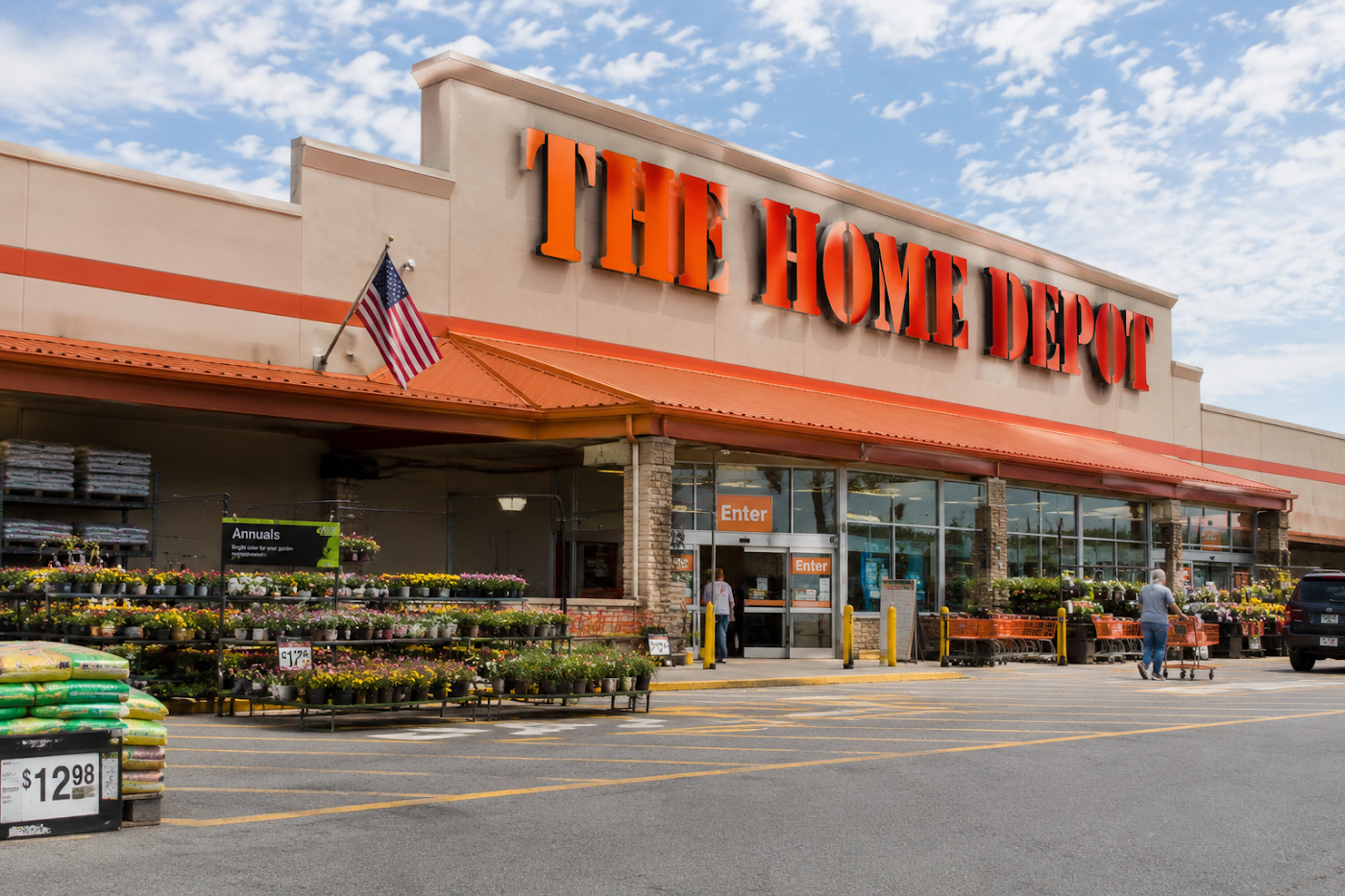
Freight breaks the usual link between the oil headline and the gas station sign. Refiners pay the delivered cost, and that includes $26 in transport before the crack spread. What Frees the Fleet A confirmed pipeline restart does more than oil falling. Ships currently running shuttle routes would return to long-haul trade, cutting transit costs structurally rather than temporarily. That is the variable most investors are not tracking. TRANSPORT WATCH Transports Closed Last Week in Correction. Diesel Hit Its Highest Level on Record.Retail diesel averaged above $6.50 a gallon over the weekend, up more than 87 cents in September alone. It has now surpassed the 2022 record. Two supply losses are stacked underneath. Hormuz shipments are cut. Russia has banned most diesel exports while Ukrainian drones keep hitting its refineries. The Dow Jones Transportation Average closed last week more than 16 percent below its April record. That is a correction. The S&P 500 sits roughly 2 percent off its own record. The gap between those two numbers describes an economy split between the part that moves data and the part that moves physical goods. CFRA's Sam Stovall noted that higher diesel is a big concern even in the AI economy. Nobody has figured out how to tele-transport an Amazon package. Split Screen in the Stock Market A transport index in correction while large-cap tech holds near records is not a subtle signal. The companies paying record diesel to move goods are pricing it into margins and, where they can, into ticket prices and freight surcharges. CORPORATE WATCH Tariffs, Fuel, and Higher Rates All Landed on Companies in the Same Quarter.The triple hit is what makes this unusual. Tariffs raised material costs. Fuel raised production and shipping costs. The Fed rate hike now raises the cost of financing inventory. For many companies all three arrived together. Small firms borrow short, so rate moves reach them faster. A 25-person saw maker in Iowa watched a bracket go from $42 to $87 in a summer while his credit lines repriced. Auto suppliers are furthest along. Lucerne International stopped US manufacturing. Grupo Antolin filed Chapter 15 citing tariffs and energy. Eastman Chemical (EMN) described price hikes faster than any point in 20 years. Home Depot (HD) said energy costs will fully offset $730 million in tariff refunds. Where the Pain Threshold Is - Large companies borrowed long and hold cash, insulating them from the rate move
- Smaller firms borrow short, so each hike reprices within a quarter
- JPMorgan puts the 10-year pain threshold for large balance sheets at 6 percent
At 5 percent, the 10-year is hurting small balance sheets but not yet the large ones. At 6 percent, the story changes. Pricing Power Is the Dividing Line Airlines raised fares and filled planes. A supplier selling to Ford can do neither. Same shock, opposite margin outcomes. That gap is what makes the S&P's aggregate earnings look better than the underlying distribution suggests. PENSION WATCH A $327 Billion Pension Turned Down a Fund Because It Could Not Find Where Its AI Exposure Ended.Monte Tarbox runs the New York City Retirement Systems. He passed on a private equity fund because it was heavy on AI. Not because he is bearish on AI. Because he already cannot tell how much AI exposure the fund holds across all its asset classes. AI infrastructure companies make up roughly 40 percent of the S&P 500's market cap. AI accounts for nearly half of all investment-grade bond issuance this year. Public stocks, private equity, credit, and infrastructure all route back to the same thesis. LACERA ran a review with its $94 billion fund and landed on a range of 8 to 19 percent AI exposure. The range itself is the disclosure. Nobody can size the bet precisely because the bet is embedded in too many other things. Diversification Is a Label, Not a Protection Measuring the exposure is the step before capping it. Capping it means selling. More funds publishing AI exposure reviews is what forced selling looks like before it happens. PARTNER SPOTLIGHT Louis: The "Strawberry Problem" Is Stalling the AI Revolution
Billion-dollar tech investor Louis Navellier calls it "AI's darkest secret." Until AI models solve the "Strawberry Problem," they'll never create new breakthroughs in medicine, energy, or quantum computing. The good news? One company is about to solve the crisis… unleashing a new $100 trillion opportunity. Click here for details. This ad is sent on behalf of InvestorPlace Media at 1125 N. Charles Street, Baltimore, Maryland 21201. If you're not interested in this opportunity, please click here. SUMMIT WATCH Bessent Spent Sunday at JPMorgan With China's Vice Premier. Trump and Xi Meet Thursday.Bessent, Trade Representative Jamieson Greer, and Chinese Vice Premier He Lifeng ran all-day talks at JPMorgan's Manhattan headquarters on Sunday. Three things are on the agenda. The trade truce expires November 10. US officials say Chinese rare earth and critical mineral flows have not met commitments. And AI guardrails, after a run of security incidents. Bessent signaled openness on AI coordination. He expects talks to cover both open and closed-weight models because Chinese open-weight models are already winning US customers on price. Expectations are modest. One China trade analyst sees summit-level deliverables as possible but a breakthrough as unlikely. Status quo is probably the best realistic outcome for both sides. Three Things on the Table, One Real Deadline - Trade truce expiry November 10, which restores tariff escalation if nothing replaces it
- Rare earth flows that US officials say have not met commitments
- AI guardrails after a run of security incidents involving models
A summit that produces warm language and no mineral commitment leaves the relationship seven weeks from a cliff. November 10 Is the Deadline Rare earths feed the semiconductors the AI trade runs on. A lapsed truce in the same quarter diesel, freight, and rate hikes are already squeezing margins compounds every other cost story in this newsletter. CLOSING LENS Oil fell below $100 on strong flow data while Houthis hit Saudi Arabia over the weekend. The market has stopped reacting to strikes and started pricing structural disruption instead. Freight at $26 a barrel decouples pump prices from spot crude. Transports are in correction. Small companies took tariffs, diesel, and a rate hike in the same quarter. Pensions cannot measure their own AI exposure to within a factor of two. And the most important US-China meeting of the year happens Thursday on a November 10 expiry clock. WTI below $100 is not a signal this is over. It is a signal the market thinks it knows the range. FREE FINANCIALMARKETS.COM ALERTS The Next Market Move Could Start With One Alert Get breaking market developments, trade ideas, analyst signals and upcoming catalysts sent directly to your phone. Markets move quickly. Now your information can too. START GETTING FREE ALERTS → | 


