MARKET PULSE Oil Fell to $94. Everything Tied to Rates Took Off.WTI closed near $94, its fourth straight session of losses and the sharpest single-day drop of the month. As oil fell, so did the 10-year. As the 10-year fell, tech rallied hard. That chain played out cleanly. The Nasdaq led gains. S&P 500 swung back into positive territory for September. Dow rose. Russell 2000 gained. VIX fell to its lowest in weeks. Bitcoin crossed $85,000 for the first time since January. Coinbase (COIN) and Strategy (MSTR) rose with it. Accenture (ACN) surged after announcing it would embed evaluators inside Anthropic to stress-test AI models. AMD (AMD), Intel (INTC), and Super Micro Computer (SMCI) all climbed. Paramount Skydance (PSKY) and Warner Bros. Discovery (WBD) both jumped around 10 percent on settlement news. Gold slipped. Investor Signal Oil at $94 does not erase the freight and diesel cost structure built over the past month. Fuel surcharges and VLCC rates move slower than the spot price. But a falling 10-year changes equity duration calculations immediately. The session's winner was anyone holding long-duration tech. The session's unresolved question is whether the Fed agrees with Treasury that oil falling is the story, or with the Chicago Fed that demand is now part of it. FED WATCH Chicago Fed Put AI on the Inflation List. The Fed's Own Statement Backed the Shift.For 18 months, the Fed treated this as a supply problem. Tariffs, then oil. Supply shocks fade on their own, so central banks can wait them out. Chicago Fed President Austan Goolsbee said today that the story is running out of runway. Oil was supposed to fall quickly when the war began. It did not. Tariffs were supposed to be a one-time hit. They escalated. Services inflation stayed high. Goolsbee now suspects demand is adding to the problem, with AI investment possibly raising output beyond what the economy can absorb. If the diagnosis shifts to demand, the policy response changes too. A supply shock justifies patience. A demand problem calls for faster, front-loaded action. Goolsbee is not a voter this year, but the Fed's own statement last week stopped attributing inflation to energy supply shocks and now reads simply that inflation "remains elevated." That is the committee's language, not just one regional president's. Diagnosis Sets the Pace - A supply shock diagnosis: wait it out, let it fade
- A demand diagnosis: move early, move more
- Fed's statement dropped "supply shocks" language last week
Two regional presidents in two trading sessions have said inflation is not just energy. The statement stopped saying it was. That is a committee rewriting its framework in real time. October Odds Climbed Into the Session Goolsbee's logic, if adopted broadly, gives the Fed a reason to hike that a ceasefire does not remove. October odds were near even heading into close. If AI capex is counted as demand, the war ending is not the end of the tightening cycle. MACRO WATCH Treasury Said Rates Fall When the War Ends. The Fed's Statement Now Reads Otherwise.Bessent gave the counter-argument today morning on CNBC. Once oil markets are resupplied after the conflict, he said, rates should come down. His inflation problem ends with the war. Goolsbee's does not. Bessent was describing energy inflation that eases with supply. Goolsbee was describing demand inflation that persists after oil normalizes. The Fed's statement now reads closer to Goolsbee. Bessent met China's Vice Premier He Lifeng Sunday for 12 hours. They discussed a notification line for AI incidents. The trade truce expiry November 10 was a focal point. Two Diagnoses, One Fed Decision If Bessent is right, the Fed overtightens into a supply shock and rates fall next year. If Goolsbee is right, the Fed has a demand problem that does not end with the war, and December is live. Both readings were in the market simultaneously. Oil falling made Bessent look more right by close. FROM OUR PARTNERS You’re Being LIED To About The Iran War
Forget EVERYTHING you’ve heard about the Iran war. Especially the reasons why we’re bombing the country. Because THIS is the real reason. EQUITY WATCH AMD Crossed $1 Trillion. Goldman Said S&P Earnings Are Already Stretched.AMD briefly crossed $1 trillion, the fourth US chipmaker to do so after Nvidia (NVDA), Broadcom (AVGO), and Micron (MU). Intel (INTC) jumped around 11 percent. The chip index hit a one-month high. Goldman's equity team said S&P 500 earnings are "over-earning." EPS grew sharply last quarter, well above earnings' historical link to economic growth. AI investment flips from an 11-point tailwind this year to a drag by 2028 as spending slows and depreciation catches up. The specific risk is chip margins. At roughly 70 percent gross margins today against a 15-year average of 55 percent, a reversion would cut S&P index earnings around 10 percent. Shortage Is the Load-Bearing Wall - Chip margins at 70 percent against a 55 percent long-term average
- AI capex slowdown turns an 11-point earnings tailwind into a drag by 2028
- A margin reversion from 70 to 55 percent cuts index earnings around 10 percent
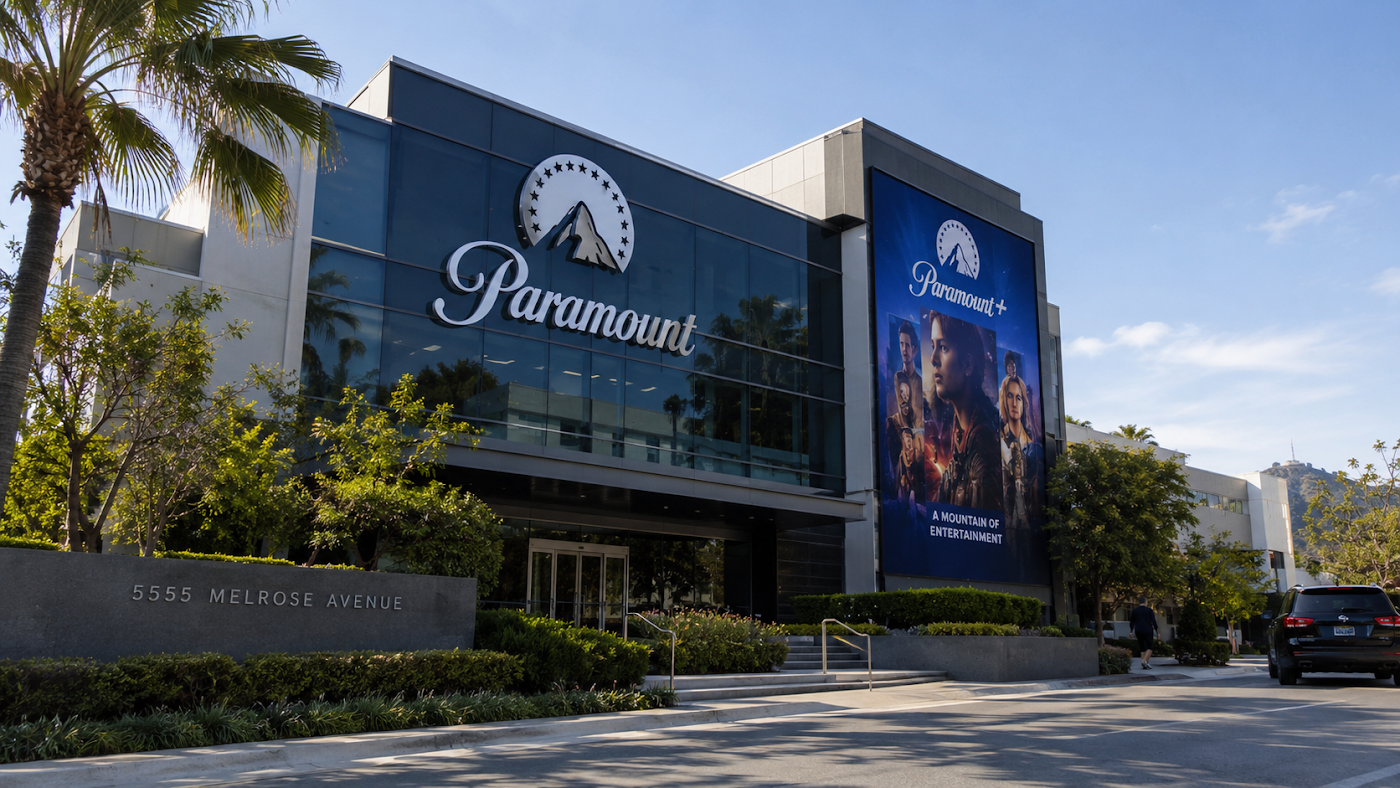
The shortage is what holds those margins up. A Fed that cools AI demand is tightening into the exact mechanism that sustains chip profitability. Record Prices, Fragile Foundation The market paid record valuations and Goldman published a fragility warning on the same session. Those two readings resolve on different timelines. The valuation is priced today. The depreciation drag arrives in 2028. CREDIT WATCH $757 Billion in Apartment Debt Matures at Twice the Rate It Was Written.Loans written near 3 percent in 2020 and 2021 now refinance at roughly 6 percent. Through 2028, $757 billion in apartment debt comes due, more than any other commercial property type per the Mortgage Bankers Association. Owners face no good option. Refinancing means a large coupon increase on buildings worth 20 percent less than their 2022 peak. Lenders have started taking keys instead of extending, because rent growth is expected to recover, making foreclosure economically rational. Multifamily CMBS delinquencies jumped from roughly 1 percent in late 2023 to over 7 percent now per Morgan Stanley. Blackstone (BX) defaulted on a North Dallas loan. S2 Capital dissolved a Sunbelt fund and told investors they would not get their money back. Higher Rates Land Here, Not on Hyperscalers AI capex runs on hyperscaler cash flows and long-term bond issuance. Apartment debt reprices when it matures, and $300 billion matures this year. A Fed hike does not slow Nvidia's order book. It lands on the landlord who locked in at 3 percent and now owns a building worth less than the loan. PARTNER SPOTLIGHT WARNING: A Major Market Shift Could Hit Stocks in 2026If you have any money in the stock market, you may want to pay attention. New research points to a massive market-moving event that could send hundreds of popular stocks into a sudden free fall. Holding the wrong stocks when this hits could erase years of gains. That’s why analysts have now identified a list of stocks investors may want to avoid as this event unfolds. If you want to see what’s coming — and which stocks could be most at risk — Click here to get the full details before it’s too late. MEDIA WATCH Paramount Settled for Behavioral Promises Three Weeks Before a $7 Million Daily Fee.Paramount settled with California and the states suing to block its $81 billion merger with Warner Bros. Discovery. Four holdout states joined California in settling. Both stocks gained around 10 percent. The terms are behavioral, not structural. Independent editorial boards for CBS and CNN. A discussed penalty per film if Paramount misses its 30-theatrical-release pledge. A possible Miramax stake sale. California's attorney general had said structural remedies, meaning asset sales, work better than promises that require years of monitoring. The settlement is mostly promises. It was reached three weeks before a $7 million daily fee to Warner shareholders was set to begin. Promises That Need Policing - Editorial independence for CBS and CNN requires years of monitoring
- Film-count penalty only triggers if Paramount misses its pledge and someone measures it
- Writers Guild suit is still open, the last structural challenge to the deal
The $7 million daily fee put a price on every week of litigation, and that clock sat on Paramount's side of the table. States traded the remedy they said works for the remedy they could get before it started. Behavioral vs Structural Structural remedies force asset sales once. Behavioral remedies require enforcement indefinitely. The gap between those two outcomes will not be visible for years, which is why California's AG wanted the former and the settlement delivered the latter. CLOSING LENS Oil at $94 did the heavy lifting Monday. Lower yields, higher tech, Bitcoin above $85,000. The session felt like relief. What did not resolve was messier. The Fed and Treasury described two different inflations in the same morning. Goldman flagged chip margins as the most fragile piece of index earnings on a day AMD crossed $1 trillion. Apartment landlords face $757 billion in debt at double the rate, and lenders are taking keys because rent recovery is coming. Paramount swapped structural relief for behavioral promises to avoid a daily penalty. Trump and Xi meet Thursday. Next Wednesday brings PCE. If Goolsbee's demand read survives the data, the rate path is longer than oil alone would suggest. 3 Stocks at a Major Turning Point Something unusual is happening beneath the surface of three widely followed stocks.
In each case, the fundamentals are saying one thing... while institutional activity, management signals or the options market are saying something else. That kind of disagreement can matter. Because when the evidence stops lining up, the next move in the story often comes down to a handful of signals most investors never think to watch. Our new FREE Market Tell Special Report breaks down three of these situations, and shows you exactly what we’re watching next. Get the Free Report: 3 Stocks at a Major Turning Point → | 


