


Three Fed dissenters published coordinated statements naming a hike series. Big Oil posted record profits. Amazon surged 15%, Apple fell 9%. The U.S. confirmed yen coordination. The KOSPI had its best day in history.
Amazon Up 15%. Apple Down 9%. The Nasdaq Still Finished Higher.
Apple (AAPL) fell roughly 7%, its largest single-day decline since 2020. Amazon (AMZN) surged roughly 15%, its biggest gain since 2015. The Nasdaq still closed higher because Amazon outweighed Apple's bad day.
The S&P 500 and Dow finished the week green. Hyperscaler bonds rallied. WTI edged up as Iran launched fresh attacks in Kuwait and Bahrain. Three Fed dissenters published coordinated statements and the 10-year yield hit its highest level since January 2025.
The Signal
The AI trade sorted itself clearly this week. Microsoft and Amazon monetized. Meta and Apple did not. The bond market is tightening where the Fed refused to. Every question the week raised got sharper, not answered.
Mode Mobile won't be under-the-radar much longer.
The price on pre-IPO shares goes up August 14 — and over 60,000 investors have already put in more than $100 million, including Shark Tank's Kevin Harrington.
Mode is still private — but the Nasdaq ticker $MODE is already secured. And this price change could signal a public listing is getting closer.
The traction is already there:
- 490M+ users
- $115M+ lifetime revenue
- $1B+ earned and saved by users
- 170+ countries served
- Deloitte's #1 fastest-growing software company in North America — 32,481% growth
Uber turned cars into taxis. Airbnb turned homes into hotels. Mode is turning everyday phone use into something that pays you back.
This isn't early-stage hype. It's about timing.
Which hyperscaler do you think is best positioned heading into the second half?
- Microsoft
- Amazon
- Alphabet
- Meta
Three Dissenters Published Coordinated Statements. Kashkari Named a Hike Series.
Three regional Fed presidents published statements today. The coordinated timing is deliberate. Kashkari moved from projecting cuts in March to voting for a hike in July to naming a potential series of hikes by Friday. Hammack and Logan's hawkish views were known. Kashkari's shift is what changes September. A hike still requires Washington-based governors to move. The statements are the pressure campaign. The governors are the audience.
The Read
Warsh declined to explain the hold. The three dissenters explained it from the other direction. September 15-16 is live with named hike advocates inside the committee. Nonfarm payrolls is the first data test before that meeting.
Could This Stock Be “Trump’s Next Big Buy”?
Jim Rickards believes the Trump administration is about to take a direct stake in a tiny $2 stock.
The Trump administration has taken a direct stake in MP Materials, Lithium America, Trilogy Metals, and USA Rare Earth.
Each time, shares sprinted higher. Click here to see why Jim believes this one is next.
Exxon Doubled Profits. Chevron Set a Record. Both Named Refining as the Real Constraint.
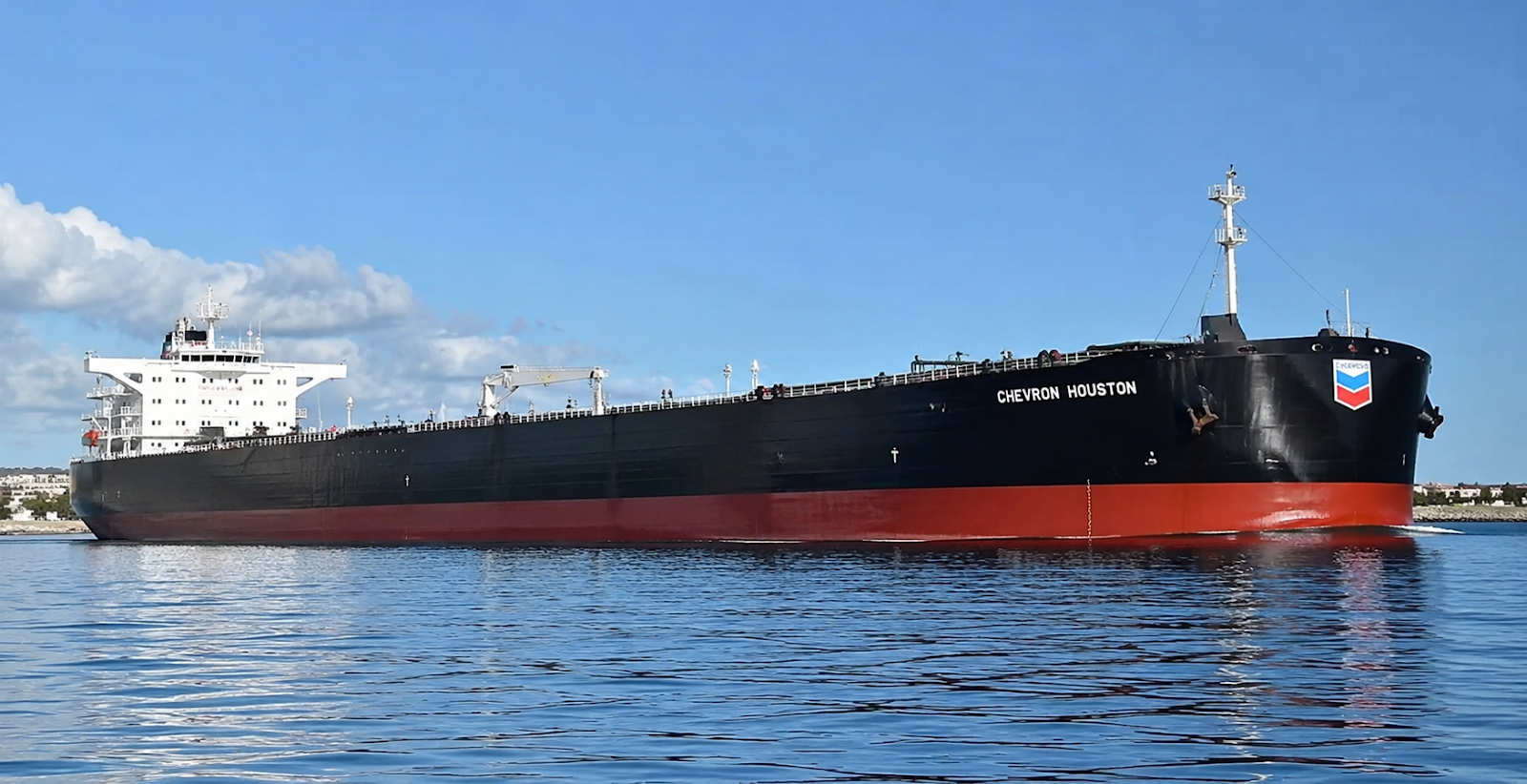
Exxon (XOM) roughly doubled profits year over year. Chevron (CVX) posted its highest quarterly earnings ever, up nearly 400%. Both produced at multi-decade highs and refining margins hit records.
The more important signal came from the CFOs. Exxon named refining capacity as the lowest ever seen. Chevron's CEO said the situation is under stress and getting harder every day. The constraint has moved downstream from Hormuz flows to the layer where crude becomes fuel. That is structurally harder to fix.
What's Moving
- Chevron's refining profits jumped roughly 500% year over year
- Exxon's U.S. upstream production hit its highest level in over 20 years
- Wirth named Houthi Red Sea attacks as expanding supply stress beyond Hormuz
The Read
Even a full Hormuz reopening does not fix this immediately. The crude can flow but the refining infrastructure is already maxed. P&G's $90 oil assumption for the coming year may be conservative even if Iran de-escalates.
Amazon Rose 15%. Apple Fell 9%. Memory Split the Tape Down the Middle.
Amazon proved AI spending produces returns. Apple proved memory shortages limit what you can sell even when demand is strong. Both results came from the same night. Both involved the same underlying constraint.
Jassy named rising memory prices as the reason for the capex increase. Cook named memory supply as the reason for the September guidance miss. One company is paying more to get memory. The other cannot get enough.
The Read
Every major hyperscaler except Microsoft is now negative or barely positive on free cash flow. The Mag Seven split into two groups this week: AI monetization proven and AI monetization pending. The next earnings cycle is the first test.
Hidden in Tesla's Filing: A $12 Billion "Super Startup"
Pull up Tesla's most recent SEC filing. Page 5.
And you'll see a single line showing $12 billion in revenue from a brand-new "super startup" Elon Musk has been quietly incubating inside Tesla.
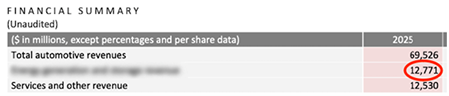
This new "super startup" has nothing to do with cars or robots or space or AI…
But it sits at the center of what Blackstone calls "a $23 trillion investment opportunity."
And on Oct 21st, Elon is expected to pull back the curtain and reveal exactly what he's building.
But Adam O'Dell already knows… and he reveals it all in this urgent video.
The U.S. Treasury Told Banks to Stand Ready. The Yen Coordination Is Now Official.
The U.S. Treasury notified banks through the New York Fed to stand ready for yen intervention. Bessent called the yen "very undervalued" and said excess volatility is unhealthy. The last U.S. yen intervention was 2011, after Japan's earthquake.
This one comes after the Fed declined to hike and pushed dollar strength onto Japan's balance sheet. Japan may have sold close to $60 billion in reserves Thursday. South Korea joined simultaneously. The yen ended sharply stronger.
The Read
Bessent calling the yen undervalued is the U.S. taking a side on dollar strength. That is unusual and strategic, not emergency. A BOJ September hike alongside a Fed hike would give the yen structural support. Without both, Japan is back to defending with reserves alone.
The KOSPI Had Its Best Single Day in History. It Also Had Three of Its Worst Days in Five Weeks.
The KOSPI jumped roughly 18%, its best session on record.
SK Hynix ADRs (SKHY) and Samsung each hit their daily upper limits. The Situational Awareness unwind cleared short positions and retail flooded back in. Amazon gave the move a fundamental story. But the magnitude was mechanical. The same leverage that produced three of the worst sessions in five weeks also produced the best day ever. That is not a recovery. That is leverage resolving.
What's Moving
- Korean retail investors have been aggressively using leveraged ETFs on memory names
- The SK Hynix ADR (SKHY) trades at a premium to Seoul shares due to U.S. investor demand
The Read
An index with both its best and three of its worst sessions in the same month is not stable. It is a leverage event. The memory demand thesis is real and Amazon confirmed it. But the KOSPI is being moved by margin calls as much as fundamentals. That does not stabilize until the leverage is gone.
Three dissenters built the September hike case while Warsh stayed quiet. Big Oil named refining capacity, not Hormuz, as the real problem. Amazon confirmed AI monetization. Apple confirmed memory is the limit. The U.S. officially joined Japan in defending the yen. And the KOSPI had its best day ever in the same month it had three of its worst.
The market absorbed the week. September will be harder.
