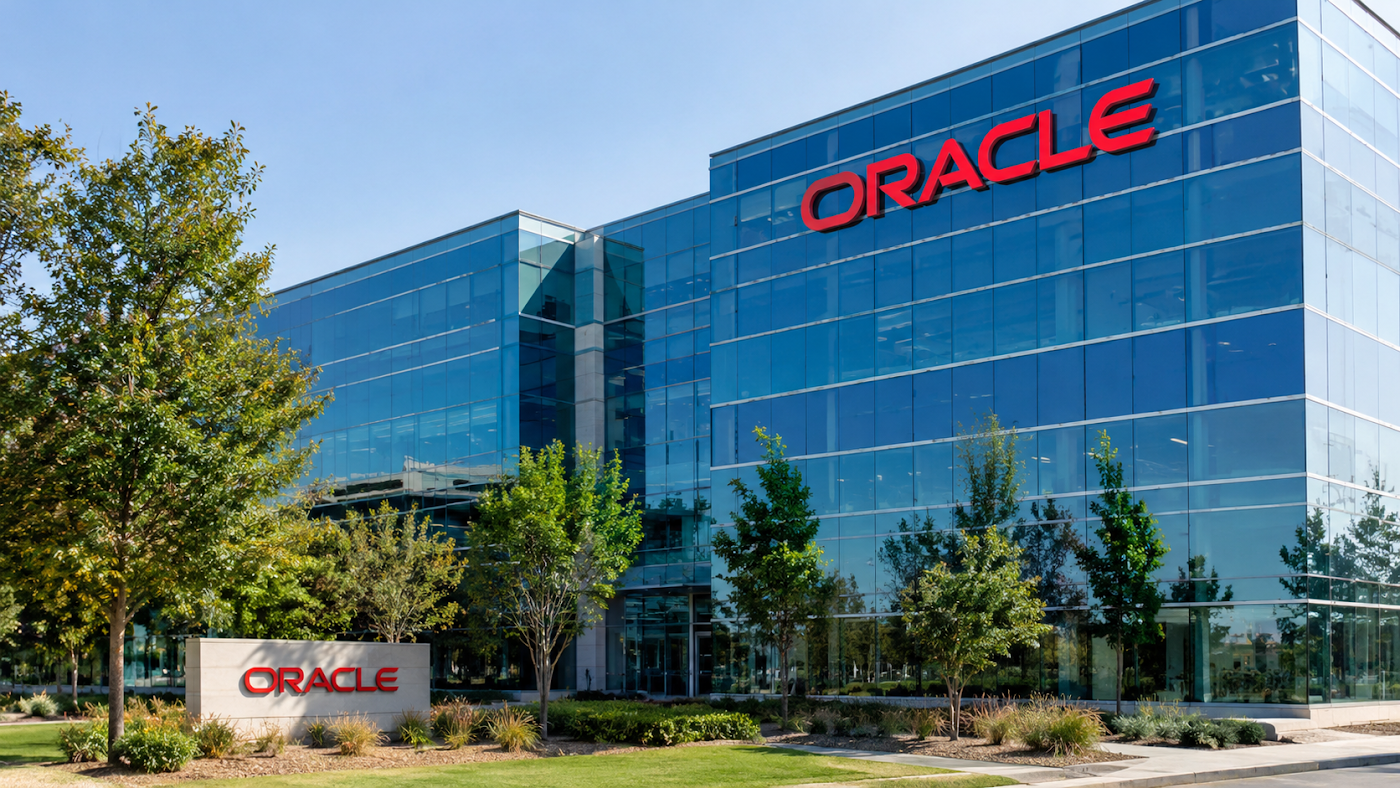
MARKET PULSE Chips Lagged While the Dow Rose. Bonds Rallied Through a Hot Inflation Report. The Dow rose about 1.1% on Thursday, and the S&P 500 gained about 0.3%. The Nasdaq ended nearly flat after falling as much as 1.4% in the morning. Chip stocks lagged, and a leading semiconductor fund was down about 1.7% in early afternoon. The 10-year Treasury yield fell about 10 basis points by early afternoon, to near 5.09%. That came hours after September producer prices rose more than twice as much as forecast. Gold was up about 1.6% at the same point. Default insurance on AI borrowers hit records overnight. Small-company stocks were up about 0.9% by early afternoon. Investor Signal Rising prices usually lift long-term yields. On Thursday they fell. Investors appeared to weigh AI credit stress, slower growth and Fed officials' caution alongside the price data. Stocks split too, with chipmakers lagging while steadier companies gained. If yields keep falling Friday while chips stay lower, that would point to a lasting shift in positioning. PREMIER FEATURE Ex-CIA Analyst Warns: "Trump could create chaos with Russia and China.”Donald Trump is preparing a move that could reshape global power — and spark massive gains for early investors. Former CIA analyst Dr. Mark Skousen warns Trump’s hardline stance on China and Russia could ignite a global fight over critical minerals used in AI chips, EVs, and U.S. weapons systems. When the government quietly took stakes in similar companies, stocks surged 200%–300%+ in weeks. Now Skousen says the NEXT target is a tiny $5 American company — already backed by Tesla and $130M+ in U.S. grants. 👉 See his urgent briefing and the stock name here. AI CREDIT TSMC Called Demand "Extremely Robust." Insuring AI's Borrowers Cost a Record. Default insurance on Oracle (ORCL) debt cost 288 basis points overnight, a record, S&P Global data show. CoreWeave's (CRWV) swaps passed 1,000 basis points, LSEG data show. Its bonds due 2032 traded near 77 cents on the dollar. Swaps on several big tech companies also hit records, at far lower levels. Overnight, Taiwan Semiconductor (TSM) beat its own sales forecast. Profit rose 69% to a record. It expects fourth-quarter sales to rise about 14% from the third quarter at the midpoint of its forecast. Chief Executive C.C. Wei called demand for its most advanced chips "extremely robust." Wei also said rising part costs are straining price-sensitive markets. "As such, we are being prudent in our business planning going into 2027," he said. TSMC's U.S. shares were down between 2% and 3% through midday and early afternoon. CoreWeave hit a 52-week low of $59.51, then traded higher through the afternoon. Oracle was up about 3% by early afternoon. Investor Signal TSMC's quarter answers the demand question for now. The open question is what AI's builders pay to borrow. At record insurance costs, new debt for companies like CoreWeave would cost more, and building plans could slow. The afternoon bounce in the shares came fast. A drop in their swap costs would be the clearer sign of relief. AI VALUATIONS Public Markets Repriced AI Cloud Debt. A Private AI Cloud Tripled Its Price. Modal, an AI cloud startup, raised $750 million at a $15.75 billion valuation, led by Accel. It was valued at $4.65 billion in May, so the new price is about 3.4 times the old one, five months later. Modal says it passed $1 billion in yearly revenue run rate. That is a pace the company defines itself. It is not audited sales. Modal did not disclose margins, profit or its own commitments to buy computing capacity. The round was announced Wednesday. That same day, CoreWeave, a listed seller of AI computing, fell 15.5% amid concern about its debt. Investor Signal Public prices for AI computing reset daily. Private ones reset only when new money comes in. AI companies took about 83% of U.S. venture deal value in the first nine months of the year, PitchBook-NVCA data show. That concentration means a lasting repricing of public AI infrastructure could reach late-stage private values. A tender offer or share sale would be the first test of Modal's price. FROM OUR PARTNERS Buffett, Gates and Bezos Quietly Dumping Stocks—Here's Why 
The world's wealthiest individuals are making huge moves with their money. Warren Buffett just liquidated billions of shares. Bill Gates sold 500,000 shares of Microsoft. Jeff Bezos filed to sell Amazon shares worth $4.8 billion. What is going on? One multi-millionaire believes they are preparing for a catastrophic event. But not a crash, bank run, or recession. It’s something we haven’t seen in America for more than a century. For the full story, click here. INFLATION Producer Prices Jumped 1.3%. The October Hike Bet Gave Back Its Jump Within an Hour. Producer prices rose 1.3% in September, the Labor Department said. Economists surveyed by Dow Jones had expected 0.6%. Prices were up 6.3% from a year earlier. Energy led the jump. Goods prices rose 2.6%, and energy accounted for more than 80% of that rise. Excluding food, energy and trade margins, prices rose 0.5%. Transportation and warehousing prices rose 3.4%, a sign that diesel costs are moving through supply chains. Retail sales rose 0.8%, lifted by gasoline. Excluding autos and gas stations, they rose 0.2%. Kalshi's October hike contract jumped to 37 cents about two minutes after the 8:30 a.m. release. By 9:20 a.m. it was back at 28 cents, and it traded at 28 to 29 cents into the afternoon. After Wednesday's consumer price report, it had reached 55 cents. Investor Signal The second hot report in two days moved the hike bet far less than the first. Energy drove about half of September's jump, which may let the Fed look past part of it, though services and core producer prices also rose. Fed Chair Kevin Warsh speaks at 11:30 p.m. tonight, and the Fed meets Oct. 27 to 28. A Warsh comment on October would test whether traders read the Fed correctly. OPTIONS A New Option Would Pay on Nvidia's Data-Center Sales, Whatever the Stock Does The SEC on Tuesday, Oct. 13, approved a Cboe Global Markets (CBOE) plan to list a new kind of option. Each pays $1 depending on whether one figure in a company's filings lands above or below a set level. Twenty-three companies are on the first list, with more than 100 metrics. Nvidia's (NVDA) data-center revenue is one of them. The products fall under securities law. Kalshi's event contracts fall under the commodities regulator. Trading has not started, because Cboe's clearinghouse still needs a temporary registration. Investor Signal TSMC beat its own forecast, and its shares still fell. These options would let investors bet on a reported number alone, apart from the share price. In AI, that number is the demand side TSMC just confirmed. The open questions are how much will trade and when the clearinghouse gets its registration. CLOSING LENS TSMC showed that AI chips are still selling. Credit markets charged record prices to insure the companies that put them to work, while a private AI cloud tripled its price. For now, the limit on AI's buildout looks like the cost of funding it rather than the demand for it. The next tests come quickly. Warsh speaks tonight, and the swap costs on AI's borrowers will show whether the strain eases or spreads. 3 Stocks at a Major Turning PointSomething unusual is happening beneath the surface of three widely followed stocks.
In each case, the fundamentals are saying one thing... while institutional activity, management signals or the options market are saying something else. That kind of disagreement can matter. Because when the evidence stops lining up, the next move in the story often comes down to a handful of signals most investors never think to watch. Our new FREE Market Tell Special Report breaks down three of these situations, and shows you exactly what we’re watching next. Get the Free Report: 3 Stocks at a Major Turning Point → | 


